
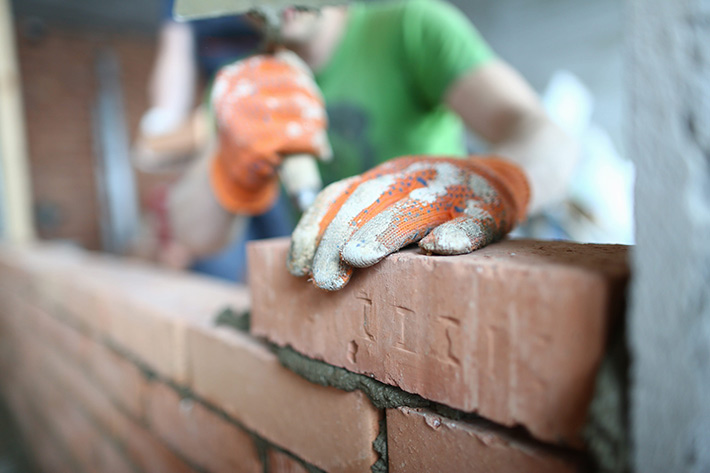
If you walk through an old downtown, a historic neighborhood, or even a new commercial area, you’ll probably see brick somewhere in the midst of it all. People have used brick in construction for thousands of years, and it still appears in today’s homes, businesses, public spaces, and architecture.
Brick remains popular because it is practical. It’s durable, needs little maintenance, and can handle years of weather.
The way brick masonry is used has also changed over time. It used to be mostly for building structures, but now it’s used for things like exterior façades, fireplaces, accent walls, patios, and modern design features.
Why Is Brick Masonry Still Used in Construction?
Brick masonry is still popular because brick is durable, fire-resistant, helps with temperature control, needs little upkeep, and always provides a chic aesthetic. Today’s construction methods use brick in several ways, both for function and decoration.
Even though building methods have changed a lot, brick has kept up. Now, traditional brickwork is used along with new masonry techniques and styles, giving builders and designers more options for using this timeless material.
Let’s look at why brick is still important and how its uses have changed from traditional building to modern design.
The Lasting Benefits of Brick Masonry
Brick buildings often become part of a community’s identity for generations. When built and cared for properly, brick masonry lasts a long time, which is one of its biggest strengths.
Brick doesn’t rot like wood and isn’t easily damaged by insects. Since fired clay brick doesn’t burn, it also helps make buildings more fire-resistant.
Another benefit is that brick needs little maintenance. You usually don’t have to paint or finish it to keep it looking brand-new. While masonry isn’t completely maintenance-free, mortar, drainage, or damaged bricks might need repairs, the bricks themselves can last for decades.
Its thermal mass is another reason brick continues to appear. Brick’s ability to absorb and store heat is another reason it’s still used in building design. It helps keep temperatures steady when used in a well-designed building. Of course, insulation, climate, wall design, and other materials also affect a building’s energy use and appearance.
Brick can feel historic without looking outdated. Depending on the color, bond pattern, mortar, texture, and surrounding materials, the same basic building material can suit a century-old home or a sleek contemporary storefront, displaying a chic, elegant warmth.
What Are the Traditional Uses of Brick?
In the past, brick was used for much more than decoration. It made up walls, supported buildings, built chimneys, and paved streets and walkways.
Structural Brick Walls
One of the oldest uses for brick masonry is building load-bearing walls. In older buildings, several layers of brick made thick walls that held up the floors and roofs above.
Today, most buildings use structural frames to carry the load instead. But traditional brick buildings still show how important masonry used to be in construction.
Chimneys and Fireplaces
Brick has also been closely associated with fireplaces and chimneys because it doesn’t burn. Fireplaces became places for people to gather, and brick chimneys offered a strong way to vent smoke and gases.
Walkways, Courtyards, and Paving
Before concrete pavers were common, people used bricks to make streets, garden paths, patios, and courtyards. Brick paving is still used today, especially when homeowners or designers want texture and visual interest.
How Is Brick Used in Construction Today?
Modern brick construction does not always look like the masonry of the past. Instead of relying on brick to carry an entire structure, architects and builders can use it alongside steel, concrete, wood, glass, and other contemporary materials.
Brick Veneer and Exterior Façades
One of the most common uses today is brick veneer. Unlike old load-bearing brick walls, brick veneer is usually just an outer layer, while the building’s frame holds up the structure.
This method gives buildings the look and many benefits of brick, while still using modern construction techniques.
Interior Brick Accent Walls
Brick is now used inside buildings too.
Exposed brick walls are often kept in renovated warehouses, lofts, restaurants, and historic buildings. New buildings can get a similar look by using brick or thin brick products to add texture without building a full masonry wall.
This is a big change from the past. Brick, which used to be covered up inside, is now often left exposed for everyone to see, giving spaces a more authentic and rustic feel.
Contemporary Architectural Features
Modern architects use brick in creative ways, not just for flat walls. They use different patterns, projections, screens, curves, and designs to make bricks into eye-catching features.
Brick can also be combined with glass, metal, concrete, or wood to create a mix of old and new styles. These combinations show that using brick doesn’t always mean making a building look traditional.
Outdoor Living Spaces
Brick is still used outside as well. Patios, outdoor fireplaces, garden walls, walkways, and outdoor kitchens are all modern ways to use brick masonry.
In these places, brick is practical and also helps connect a home or building to its surroundings, adding a charming touch to any outdoor space.
Trusted Brick Masonry Construction for Your Next Project
Brick may be used differently today than it was generations ago, but the quality of the masonry work still makes all the difference. A well-built wall, chimney, porch, retaining wall, or outdoor feature should look like it belongs there – and hold up that way too.
Primo Contracting provides brick and masonry construction services throughout Rochester Hills and the surrounding area, from brick repairs and tuckpointing to chimneys, block work, retaining walls, and custom masonry. Whether you are trying to preserve older brickwork or add something new to your property, we can help you determine what makes sense for the space instead of forcing a one-size-fits-all solution.
Have a masonry project in mind or brickwork that needs attention? Reach out to Primo Contracting for a free consultation and estimate.