
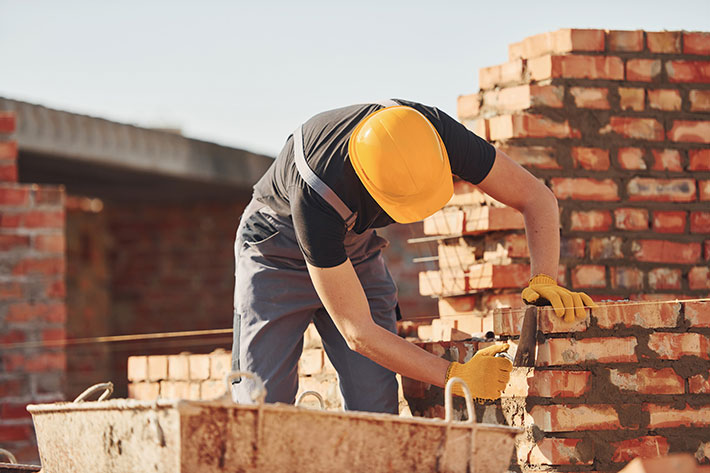
The right mortar can make all the difference in the stability and resilience of your brick structure. It fills multiple roles, serving first as a binding agent that holds bricks together. The right mix helps your structure withstand years of abuse in all types of weather.
Choosing the best mortar mix for long-lasting brick masonry is a task for the experts.
If you have a construction project for your home or business that involves brick masonry keep the following in mind so that you know what to expect from your contractor.
The Importance of Mortar in Brick Masonry
Mortar is more than just an adhesive; it serves several critical functions in masonry construction:
● Structural Support
● Weather Resistance
● Flexibility & Movement
● Aesthetic Enhancement
Mortar ensures your building remains beautiful and resilient, no matter what the years bring.
Types of Mortar and Their Uses
Mortar is classified into different types based on its composition and strength. The most common types used in brick masonry include:
● Type N – A medium-strength mortar (750 psi), ideal for general residential brickwork, exterior walls, and above-grade applications.
● Type S – A high-strength mortar (1,800 psi) used for load-bearing walls, foundation work, and structures exposed to severe weather.
● Type M – The strongest mortar (2,500 psi), best suited for heavy-duty applications such as retaining walls and stone masonry.
● Type O – A low-strength mortar (350 psi) used for interior or historic brick restoration projects.
● Type K – A specialized mortar with very low strength, primarily used for historic masonry preservation.
Selecting the right type of mortar depends on the requirements of the project. Exposure to elements and compatibility with the bricks being used are important considerations.
Factors When Choosing a Mortar Mix
The longevity and durability of your structure starts with considering the following when selecting a mortar:
● Brick Type & Absorption – Some bricks, such as soft clay bricks, require a more flexible mortar, while dense bricks need stronger mortar.
● Climate & Exposure – Buildings in freeze-thaw climates need mortar with good water resistance and flexibility.
● Structural Requirements – Load-bearing walls require stronger mortar than decorative brickwork.
● Compatibility with Existing Masonry – For repairs or restorations, the new mortar must match the original mortar’s strength and composition.
Using an inappropriate mortar mix can lead to cracking, deterioration, or structural failure over time.
Proper Mixing and Application of Mortar
Ensuring the correct mortar mix and application is just as important as selecting the right type. Here are key steps to follow:
1. Measure Ingredients Accurately – The right ratio of cement, lime, and sand ensures consistency and strength.
2. Use Clean Materials – Impurities in sand or water can weaken the mortar.
3. Mix Thoroughly – A uniform blend prevents weak spots in the mortar.
4. Apply Correctly – Fully packed and properly tooled joints provide maximum adhesion and durability.
5. Cure Properly – Allow the mortar to set gradually by keeping it moist to prevent premature drying and cracking.
Following these best practices ensures a long-lasting, high-quality masonry structure.
Common Mistakes to Avoid
Even with the best materials, improper mortar selection or application can compromise a masonry project. Common mistakes include:
● Using Too Strong a Mortar – Overly strong mortar can cause bricks to crack rather than flexing with movement.
● Incorrect Sand Proportions – Too much or too little sand affects workability and bond strength.
● Inadequate Joint Tooling – Poorly finished joints can lead to water penetration and early deterioration.
● Not Matching Existing Mortar in Repairs – Using an incompatible mortar mix in restoration projects can cause damage rather than preservation.
These tips can prevent costly repairs and ensure the masonry remains durable for decades
Contact The Experts at Primo Contracting for Your Masonry Needs
If you’re renovating or starting new masonry construction, get help selecting the right mortar type for the job. Contact Primo Contracting in Rochester Hills today for expert guidance and construction management in brick masonry services to include custom home masonry, brick repair, block walls, retaining walls, tuckpointing and more!
We are a Top-Rated brick masonry and construction company for commercial and residential properties for over 20 years!