
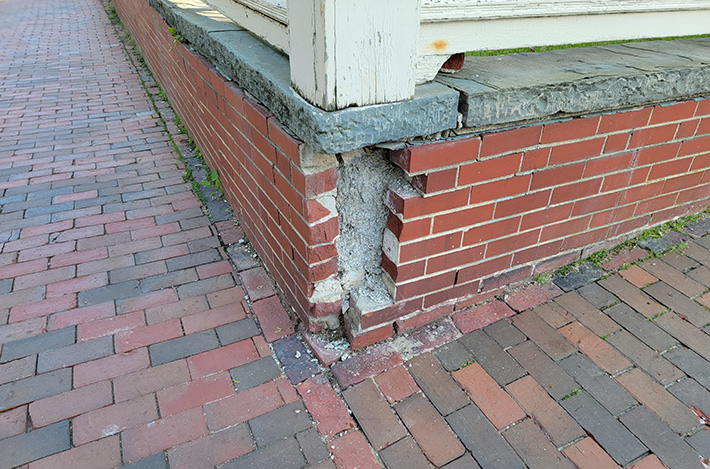
Brickwork is built to last. That’s why it’s been used for everything from front steps to fireplaces for generations. But even the toughest brick structures can start to show their age, especially when they’re out in the elements. The cracks, chips, and shifts that seem like no big deal at first can turn into real problems if they’re left alone too long.
So, how do you know if your brickwork is starting to fail?
Some of the most common red flags include cracking, crumbling surfaces, leaning walls, missing mortar, and water damage. These signs mean your brick is weakening. If you don’t get it fixed, it could become unstable, unsafe, and a lot more expensive to deal with later.
If you’ve ever looked at your porch and thought, “Is that normal?” or stepped on a wobbly brick stair, you’re not alone. Let’s talk about what those signs really mean and why getting a professional in sooner than later can save you a lot of stress.
Are Cracks in Brick Walls or Steps a Big Deal?
Cracks are one of the most common things homeowners notice, and one of the easiest things to ignore. Maybe it’s just a hairline crack, or maybe it looks like a little zigzag in the corner of your porch. The truth is that cracks usually mean something’s moving. That could be the ground underneath settling, or it might be water getting in and freezing during the winter.
Some cracks are purely cosmetic, but others are a warning sign that the structure is under pressure. If the cracks are wide or seem to be growing, or if they follow a stair-step pattern, that’s when it’s time to pay attention. The earlier you catch it, the easier it is to fix.
Why Do Bricks Start to Flake or Crumble?
If your brick looks like it’s peeling, chipping, or breaking apart, that’s called spalling. It usually shows up in places like porch steps, retaining walls, or chimneys that get hit with wind, rain, or snow. What’s happening is that moisture has gotten into the brick. Then when the temperature drops, that water expands and pushes the surface of the brick outward.
At first it might just look like a rough patch. But if the surface keeps breaking off, the whole brick will eventually weaken. Once that happens, you’re looking at a bigger repair job. That’s why it’s so important to deal with spalling early, before the damage spreads.
Is Crumbling Mortar Something to Worry About?
Mortar is what holds your bricks in place, and when it starts to wear away, things can go downhill fast. You might notice gaps between bricks or find pieces of sand-like material around the base of your wall. That’s a sign the mortar is breaking down and no longer doing its job.
Without strong mortar, the bricks start to shift, and water can get inside more easily. That adds to the damage and weakens the whole structure. If your brick wall or steps are starting to look patchy, it’s probably time for repointing. That means a mason will scrape out the old mortar and fill in fresh material, so your wall stays solid.
Why Do Retaining Walls Lean and When Should You Worry?
Brick retaining walls are meant to hold back soil, but sometimes they start leaning outward or bowing in the middle. This usually means the wall is under more pressure than it can handle. Poor drainage is often the culprit. When water builds up behind the wall, it adds weight and pushes against the bricks.
A little lean might not seem like a big deal, but it doesn’t take much for a wall to fail if the pressure keeps building. Once that happens, you’re looking at soil erosion, property damage, and a costly rebuild. If your wall is starting to tilt or looks like it’s shifting out of place, it’s time to have someone take a look before it gets worse.
Should You Try to Fix Brickwork Yourself or Call a Pro?
It’s tempting to try and fix a loose brick or a small crack on your own. But masonry issues usually go deeper than they appear. What looks like a simple problem on the surface could be a sign of something bigger underneath.
A professional mason knows how to find the root cause of the damage and fix it the right way. They also know how to match materials so your repairs blend in instead of sticking out. Most importantly, they’ll make sure everything is structurally sound and safe.
When it comes to things like porches, chimneys, and retaining walls, safety matters just as much as appearance. Calling in a pro might cost more upfront, but it saves you money and frustration in the long run.
Final Thoughts on Brick Repair
Brickwork might be tough, but that doesn’t mean it lasts forever without a little help. Cracks, flaking surfaces, shifting bricks, and leaning walls are all signs that something’s going wrong.
These problems don’t go away on their own. If you catch them early and bring in a skilled mason, you can keep your structure safe, your property looking great, and your costs down. Whether it’s your porch, steps, or retaining wall, solid brickwork starts with solid repairs.
Brick & Masonry Repair in Rochester Hills
If the brick walls or structures around your home or building are failing or in need of repair, call Primo Contracting in Rochester Hills today. Our brick masonry and construction services are unmatched and long-lasting. We address everything from crack repair and tuckpointing to chimney repair, block wall foundations and more. As a trusted and proven masonry contractor for more than twenty years, your brickwork is in good hands. Book your Free Estimate today.