
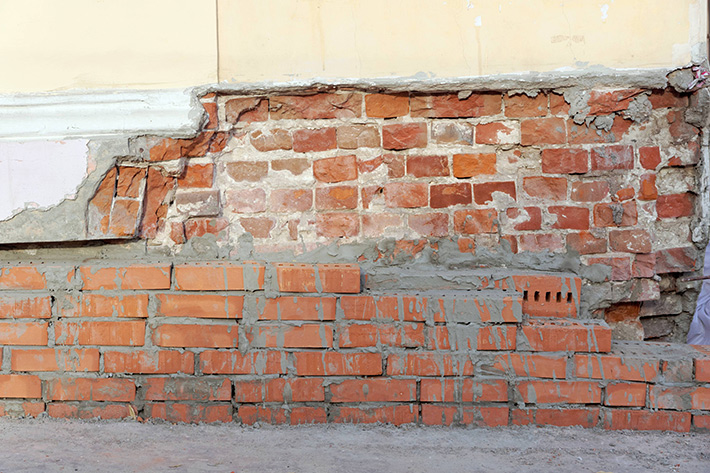
Historic masonry has its own story. The bricks, stones, and mortar in older buildings were usually made and sourced locally, shaped by hand, and put together using methods unlike those used today. When these buildings need repairs, the aim is not only to keep them standing but also to preserve their history.
Historic masonry work requires a balance of stability, authenticity, and durability.
So, before starting any repairs, it’s important to know how historic masonry is different from modern construction.
How does masonry repair differ on historic buildings compared to modern construction?
When repairing masonry on historic buildings, the focus is on making repairs that fit with the original materials and preserving what’s already there, not just replacing parts. Older buildings use softer bricks or stones and lime-based mortar that lets moisture move and escape in ways modern cement does not.
If you use modern materials or methods without changes, you can trap moisture, speed up damage, and harm the building’s historic features.
Repairing historic masonry is not about making old buildings look brand new. It’s about respecting how they were built and making sure repairs support the original materials. Every choice, from the type of mortar to the repair method, affects how long the building lasts and how much of its history is kept.
Best Practices, Do’s & Don’ts, and Key Differences
Understanding Historic Masonry Systems
Most historic masonry buildings, especially those built before the mid-20th century, used lime-based mortars and softer bricks or stone. These systems were made to flex a little, handle movement, and let moisture escape through the mortar instead of the bricks or stones.
Modern masonry, by contrast, often uses hard-fired bricks and Portland cement mortars that are significantly stronger and less permeable. Applying modern materials to historic structures can disrupt this balance, leading to cracking, spalling, and trapped moisture.
Do’s of Historic Masonry Repair
● Do match mortar composition, not just color
Before starting repairs, it’s important to test the historic mortar. Things like lime content, the size of the sand or stone in the mix, and how strong it is all make a difference. If the mortar is too hard, it can push stress onto the bricks or stones and cause damage.
● Do prioritize repair over replacement
Keeping the original bricks or stones helps keep the building’s history and cuts down on waste. Many cracked or worn bricks can be fixed or strengthened instead of being taken out.
● Do allow masonry to breathe
Historic walls let moisture out by allowing it to evaporate. Repairs should keep the wall breathable so water can leave naturally instead of getting trapped inside.
● Do document existing conditions
Taking photos and notes on the masonry patterns, joint shapes, and types of materials helps make sure repairs match the original look.
● Do work with experienced preservation professionals
Masons who know historic methods understand how old materials change over time and can adjust their work to fit these needs.
Don’ts of Historic Masonry Repair
● Don’t use Portland cement-based mortar by default
Cement mortars are usually too stiff and don’t let moisture pass through, which is a problem for historic masonry. Over time, this can make the nearby bricks or stones break down.
● Don’t alter joint profiles unnecessarily
The style of joints in historic masonry, like flush, concave, or weathered joints, affects how the wall looks and how it handles water. Changing these styles can hurt both how the wall works and how it looks.
● Don’t power wash historic masonry
Using high-pressure washing can wear away mortar joints and harm the surfaces of the masonry. It’s much safer to use gentle cleaning methods on older materials.
● Don’t ignore underlying moisture issues
If you see white stains, cracks, or missing mortar, it often means there are drainage or moisture problems. Fixing just the surface without solving the real issue will cause the problem to come back.
● Don’t remove historic material without cause
Replacing too much original material takes away from the building’s authenticity and could affect its historic status or meeting rules.
How Masonry Services Differ: Old vs. New Construction
● Material Selection
New construction masonry often focuses on strength and speed, using standardized materials designed for modern building codes. Historic masonry repair emphasizes compatibility, sourcing materials that match original composition and performance.
● Installation Techniques
Modern masonry is usually built with stiff systems and extra support. Historic masonry depends more on its weight, gravity, and flexible joints, so it needs different skills and steps during construction.
● Performance Expectations
New masonry is made to be even and easy to care for. Historic masonry is built to handle movement, weather, and slow aging as normal parts of its life.
● Project Goals
For new buildings, the main goals are to build quickly and meet codes. For historic masonry, the focus is on making the building last, keeping it true to its history, and doing as little as possible to change it.
Related Questions
Why is lime mortar important in historic masonry repair?
Lime mortar is softer and more flexible than modern cement mortar. This lets historic masonry move as needed and release moisture without harming the bricks or stones.
What happens if modern mortar is used on old brick?
Modern mortar can hold in moisture and put extra stress on softer bricks or stones. This can cause cracks, surface damage, and faster wear.
How do you know if a building requires historic masonry techniques?
Buildings constructed before widespread use of Portland cement, typically pre-1940, often require historic masonry methods. A professional assessment can confirm material composition.
Can historic masonry be reinforced to meet modern standards?
Yes, but any reinforcement should be planned carefully so it does not change how the building handles movement and moisture.
Is historic masonry repair more expensive than modern masonry?
Repairing historic masonry can cost more because it needs special skills and materials. However, doing the job right lowers future maintenance and helps avoid expensive damage later.
Overall
Repairing masonry on historic buildings is about preserving history as much as making sure the building works well. Older buildings use materials and methods that act differently from modern ones, so making repairs that fit is key.
By following good practices, like matching mortar, letting walls breathe, and not using materials that are too stiff, owners can keep their buildings strong and full of character. When done right, these repairs help historic buildings last for many more years.
The Right Masonry Repair Protects the Past
Primo Contracting brings years of experience restoring and preserving historic brick and masonry structures. Our team knows which materials hold up, and which repair methods protect both the building’s strength and its original character.
If your property needs repointing, brick repair, or restoration work, contact Primo Contracting in Rochester Hills to keep your masonry looking right – and lasting longer.