
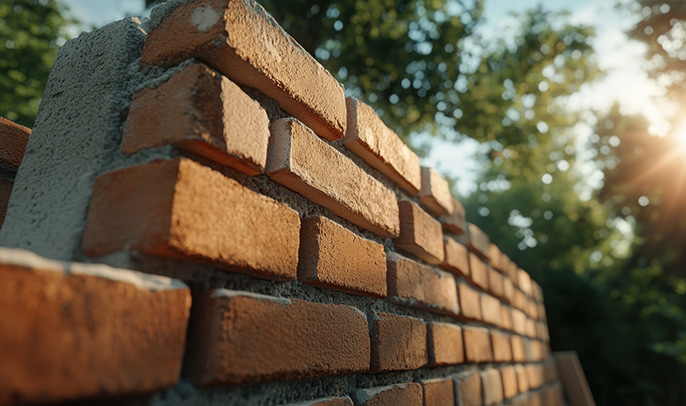
We hear a lot about sustainable building these days, and for good reason. Whether you’re building a house or a commercial space, the materials you choose matter. Not just for the look and feel, but for the future.
One option that has been quietly doing its job for centuries is masonry.
Brick, stone, and cement block might not sound flashy, but they’re some of the most durable, energy-smart, and low-maintenance materials out there.
Even modern trends like industrial minimalism and brutalist architecture are leaning into the natural, raw look of exposed masonry. Concrete walls, weathered finishes, and blocky shapes are not just making a style statement, they are also practical choices for energy efficiency and long-term performance.
What makes masonry a sustainable choice in modern construction?
It holds up against time and weather, helps regulate indoor temperatures, needs very little upkeep, and looks great doing it. That is a solid win for builders, property owners, and the planet.
Let’s take a closer look at how masonry checks all the right boxes.
How Does Masonry Support Sustainable Building Goals?
Masonry stands out from the start because of what it is made from. Brick, stone, and concrete block come from natural materials that are often locally sourced, which cuts down on transportation and lowers the carbon footprint right away.
Once it is in place, masonry does not need much. No frequent repainting, no sealing every few years, and no fussing with coatings or synthetic finishes.
It is also one of the few building materials that can take a beating and keep going. Masonry holds up to fire, water, wind, and time in a way that makes it especially useful for both residential and commercial properties.
And when buildings are strong enough to last for generations, that means far less waste going into landfills.
Does Masonry Really Make Buildings More Energy Efficient?
Yes. This is where thermal mass comes into play. Masonry materials absorb heat during the day and release it slowly as temperatures drop, which helps balance out indoor temps. That means less work for your HVAC system. In the summer, masonry helps keep interiors cooler, and in the winter, it holds onto warmth.
This natural temperature regulation helps reduce energy bills, which is good news whether you are managing a large office space or a family home. It is one of those quiet benefits you might not think about until you see it reflected in lower utility costs.
What Are the Long-Term Environmental Benefits of Masonry?
One of the biggest perks of masonry is that once it is in, it is in. These materials can last a hundred years or more with minimal maintenance. They resist pests, mold, and fire, and they are not going to warp or rot over time like some other materials. Fewer repairs and replacements mean fewer resources being used down the line.
Of course, like any home, some maintenance is still required or at least recommended. The good news is that upkeep for masonry is typically low-cost and often more about prevention than repair.
Required maintenance might include checking for cracks or signs of water intrusion, especially in older structures or those in freeze-thaw climates. Optional but smart steps might include sealing exterior brick every few years, repointing mortar joints when needed, or power washing to remove surface buildup.
Keeping an eye on these small details helps extend the life of the materials and keeps the building looking its best without adding much to your ongoing costs.
And when a structure finally does come down, many masonry components can be salvaged and reused. That is a lot better than tossing tons of debris into a landfill.
Is Masonry Just About Durability, or Does It Look Good Too?
It absolutely looks good. There is a reason so many architects come back to masonry again and again. Brick and stone bring a timeless quality to a building, whether it is a sleek new office or a cozy family home. It does not go out of style and tends to age well, especially compared to trendy siding or synthetic finishes.
Even in more modern styles, like brutalist architecture or industrial minimalism, exposed masonry plays a big role. Raw concrete walls, textured block, and natural patina are no longer just functional, they are part of the design. These materials bring character, depth, and a grounded feel to both residential and commercial spaces.
And if the look ever feels outdated, masonry gives you options. You can paint it, whitewash it, or add treatments like limewash without needing to tear anything down. It is a flexible alternative to replacing expensive siding, which often requires a full overhaul just to get a new aesthetic.
Curb appeal is part of sustainability too. When a building still looks great after decades, people are more likely to maintain it, repurpose it, or preserve it rather than tear it down and start over. That is a win for the environment and for your property value.
Bringing it All Together
Masonry might not be the newest trend in building materials, but it is one of the most reliable. It offers lasting strength, lower energy use, fewer repairs, and a classic look that holds its value. If you are planning a construction project with long-term sustainability in mind, brick, stone, or block could be your smartest choice. It is not just about building strong. It is about building smart.
Durable Masonry & General Construction for Every Project
Enhance your property with the experts at Primo Contracting in Rochester Hills. For more than twenty years, we’ve been building beautiful and durable stone structures — from retaining walls and block walls to foundations and exterior facades. Brick masonry is our specialty, and we build and repair brick by brick for both residential and commercial projects.
Contact us today to Get your Free Estimate on any of our construction and masonry services!