
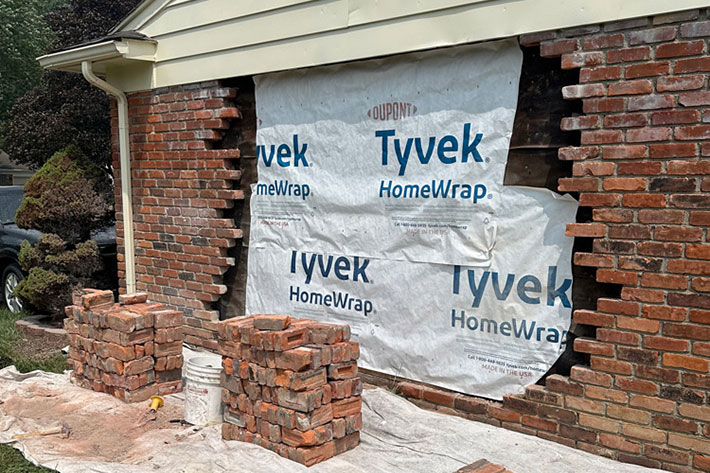
Brick is one of the most durable and timeless residential and commercial construction materials. Brick structures offer unmatched character and long-term performance, from classic facades to load-bearing walls and fireplaces.
But brick and mortar aren’t immune to wear and environmental stress like any building material.
Over time, even the toughest masonry can show signs of damage, and when those signs appear, ignoring them can lead to serious structural and safety issues.
Common Signs of Brick Damage and What They Mean
Whether you own a historic home, a modern build with brick accents, or a commercial property with a brick exterior, knowing how to spot early signs of brick damage can save you thousands in repairs down the road. Here’s what to look for, and when to bring in a masonry expert.
1. Cracked or Bulging Bricks
One of the most obvious signs of masonry failure is visible cracking. Not all cracks are structurally serious, but some can indicate major underlying problems.
● Hairline cracks may be caused by natural settling or minor temperature changes.
● Stair-step cracks in the mortar joints or bricks themselves often signal foundation movement.
● Bulging or bowed bricks may result from water infiltration, freeze-thaw cycles, or structural stress behind the wall.
If you notice any cracks growing, shifting, or changing direction—or if bricks appear to be pushing outward—it’s time to schedule a professional assessment.
2. Spalling or Flaking Brick Surfaces
Spalling occurs when the surface of a brick begins to chip, flake, or crumble. This is often caused by moisture infiltrating the brick and then freezing during cold weather, which expands the water and damages the surface.
Spalled bricks not only look worn and deteriorated, but they also expose the inner masonry to further moisture, accelerating the breakdown. This is particularly common near chimneys, foundations, and areas exposed to sprinkler systems or poor drainage.
3. Mortar Joint Deterioration
The mortar between your bricks is vital in holding the structure together. Over time, exposure to the elements causes the mortar to erode, crack, or fall out entirely.
When mortar deteriorates, it can no longer keep bricks securely in place or prevent water from entering the wall. This often starts subtly but, if ignored, leads to more extensive damage and potential brick displacement.
Tuckpointing, an essential part of brick maintenance, can restore these joints by removing the damaged mortar and replacing it with fresh, color-matched material.
4. White Staining or Efflorescence
Have you noticed a powdery white substance forming on your bricks? This is called efflorescence, a mineral deposit left behind when moisture inside the masonry evaporates and carries salts to the surface.
While efflorescence isn’t always a structural issue, it signals that excess moisture enters your masonry—a red flag for future problems like mold, spalling, or freeze-related damage. It may also point to a drainage or waterproofing issue that should be addressed.
5. Missing or Loose Bricks
Missing bricks, especially near foundation walls, entryways, or chimneys, indicate that your brickwork needs urgent attention. Loose bricks may shift out of place over time, especially if the mortar around them has failed.
This kind of damage compromises the stability of the structure and can pose a safety risk to anyone nearby. In most cases, repairs should be made as soon as possible to prevent further displacement or collapse.
6. Water Damage or Interior Leaks
Brick walls should act as a barrier to moisture, but water can easily find its way into your home when bricks or mortar joints are damaged. Signs of water infiltration include:
● Damp patches or stains on interior walls
● Mold or mildew near brick surfaces
● Dripping during or after heavy rain
Obvious cracks may not always cause persistent moisture issues, so a thorough inspection by a masonry expert is often necessary to locate the source.
When to Call a Masonry Contractor
While some surface discoloration or minor settling is normal, any signs of crumbling, displacement, or persistent moisture intrusion should be addressed promptly. An expert masonry contractor can evaluate the extent of the damage, identify the cause, and recommend the best repair method—whether it’s tuckpointing, waterproofing, brick replacement, or structural reinforcement.
Regular inspections and timely maintenance can greatly extend the life of your brickwork and protect your property value.
Trust the Experts at Primo Contracting in Rochester Hills
If you’ve noticed cracking, spalling, or other signs of brick deterioration around your home or commercial property, don’t wait until the problem worsens. Primo Contracting in Rochester Hills are the construction and masonry professionals to call. We have more than twenty years in masonry construction specializing in brick and block wall repair, foundations, chimney repair, retaining walls, renovations, custom home masonry services and more.
Contact us today to schedule a Free Estimate and receive expert recommendations tailored to your property’s needs. Let us help you restore the strength, safety, and beauty of your brickwork before small issues become big repairs.